Garden design and build in Elephant And Castle
If you are looking for garden design and build in Elephant And Castle, you are probably trying to make the most of an outdoor space that needs to work hard as well as look good. In this part of London, gardens often have to do a lot of jobs at once: provide a place to relax, offer privacy from neighbouring homes, create a practical route to bins or storage, and stand up to busy urban conditions. Whether you live in a flat with a courtyard, a townhouse with a narrow rear garden, a shared terrace, or manage a commercial property with an outdoor frontage, the right design and build approach can transform an awkward space into somewhere genuinely useful and enjoyable.
Elephant And Castle is a lively, central area where many outdoor spaces are shaped by close boundaries, overhead buildings, shaded corners, and a mix of old and new property styles. That means successful garden work here needs more than a pretty planting plan. It needs thoughtful layout, reliable construction, good drainage, durable materials, and planting choices that can cope with the realities of city life. A local team that understands these conditions can help you make smart decisions from the start, saving time, reducing disruption, and helping the finished result suit both your property and the way you live or work.
From compact contemporary courtyards to family-friendly back gardens and customer-facing commercial spaces, professional garden design and build services can bring structure, usability, and style together. If you want a space that feels considered rather than improvised, and you want a single team to handle both the creative side and the practical build stage, this kind of service is a strong option. Contact us today to discuss your ideas and see how your outdoor area in Elephant And Castle could be reimagined.
Why local garden design matters in Elephant And Castle

Every area of London has its own character, but Elephant And Castle has a particularly mixed urban fabric. You will find newer apartment developments, older residential blocks, converted buildings, maisonettes, and commercial premises close to busy roads and transport links. That variety matters when planning a garden because the best layout for one property may not suit the next. A local garden designer and build team will usually be more familiar with the constraints and opportunities that come with these settings, including limited side access, tight working spaces, shared boundaries, and the need to keep disruption to neighbours to a minimum.
Local knowledge also helps with practical details. Access for tools and materials can be tricky in central locations, and parking may be limited or subject to restrictions. A team used to working in Elephant And Castle and the surrounding streets is more likely to plan deliveries, waste removal, and staging in a sensible way. That can make the whole process smoother, especially if the work involves heavy sleepers, paving, fencing, turf, raised beds, or bespoke joinery.
In addition, the conditions in and around Elephant And Castle can influence what materials and planting will last. Shaded gardens, overlooked terraces, and courtyards with reflected heat from nearby buildings all need different solutions. A good garden design and build service should respond to these realities rather than forcing a generic style onto the site. The result is an outdoor space that feels intended for the location, not simply dropped into it.
What our garden design and build service includes
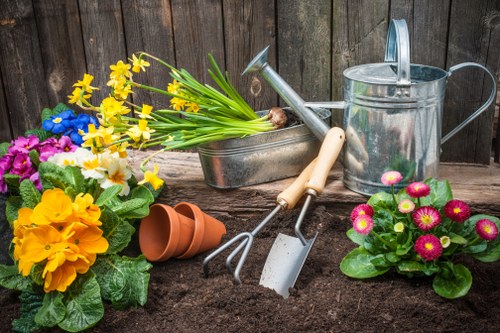
Garden design and build is most valuable when the whole project is joined up. Rather than hiring one person for ideas and another for construction, a design-and-build approach helps the concept, materials, and practical installation all move in the same direction. That reduces the chance of costly changes later and makes it easier to stay focused on the final use of the space.
Depending on your property and brief, the service may include:
- Site assessment to understand dimensions, levels, access, light, drainage, and current conditions.
- Concept design to shape the layout, style, planting approach, and key features.
- Material selection for paving, timber, composite decking, edging, gravel, walls, and decorative finishes.
- Groundworks and construction including excavation, levelling, sub-base preparation, and structural elements.
- Drainage considerations to help avoid standing water and improve performance in wet weather.
- Planting plans tailored to light levels, maintenance preferences, and the look you want to achieve.
- Soft landscaping such as turf, planting, mulch, and border finishing.
- Fencing, screening, and boundaries for privacy, safety, and definition.
- Lighting and features where appropriate, such as low-level lighting, seating areas, raised planters, or water features.
Many customers in Elephant And Castle want an outdoor area that is attractive but also easy to live with. That might mean choosing low-maintenance planting, clever storage, or surfaces that are simple to clean and suitable for regular use. Others want a more lush, planted space with year-round interest and a softer, greener feel. Either way, the project should be shaped around how you actually want to use the garden.
A well-planned garden is not just about looks; it is about making everyday use easier and more enjoyable.
Garden design for different property types
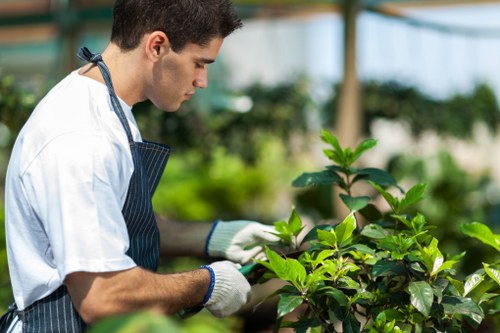
One of the biggest strengths of a local service is the ability to adapt to different property types. In Elephant And Castle, gardens and outdoor areas are rarely one-size-fits-all. A compact courtyard attached to a flat may need a very different approach from a family garden behind a terraced house or an outdoor area for a business premises.
For flats and maisonettes, the focus is often on making a smaller space feel calm, tidy, and useful. This can involve built-in seating, vertical planting, raised beds, and slimline screening to create privacy without making the area feel cramped. Materials need to be chosen carefully so the design feels light and open.
For terraced and townhouse gardens, there may be a longer, narrower layout to work with. These gardens often benefit from zoning: perhaps a dining area close to the house, a central planting section, and a quieter rear corner. Good circulation is important so the space feels easy to move through rather than split awkwardly.
For commercial customers, such as offices, hospitality businesses, or managed premises, the outdoor area may need to be durable, tidy, and inviting for staff or visitors. That could mean hard-wearing paving, planting that stays presentable with modest upkeep, and layouts that support day-to-day use while still looking polished.
In every case, the goal is the same: to create a space that suits the property, the users, and the local environment. If your current garden feels underused, too exposed, too dark, or simply not cohesive, a tailored design can change how the space functions from the ground up.
The build stage: turning plans into a finished garden
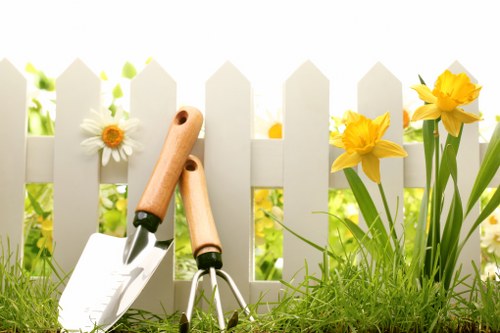
Design is only one half of the story. A successful garden project depends on careful build work, because even the best ideas will fail if they are not executed properly. In Elephant And Castle, where access can be tight and many spaces are compact, build quality becomes even more important. Subtle mistakes in levels, drainage, edging, or surface preparation can have a bigger impact in a smaller urban garden.
A professional build process normally starts with clearing the site and preparing the ground. This may include removing old paving, tired turf, broken structures, overgrown planting, or previous features that are no longer fit for purpose. Once the site is clear, the team can address levels, mark out zones, and install the underlying structure that will support the final design.
Good workmanship matters in details such as:
- properly compacted sub-bases for paving and pathways
- accurate levels to reduce pooling and improve drainage
- clean joins between different materials
- secure edging to keep borders neat
- robust construction for raised planters, screens, and seating
- planting soil preparation to support healthy establishment
These may sound like technical details, but they have a real effect on how the garden looks and performs over time. A build that is planned and carried out properly should feel solid underfoot, sit neatly at the edges, and remain easy to maintain as the seasons change. That is especially important for customers who want a garden they can enjoy without constant repair work.
Materials that suit London gardens
Material choice can completely change the feel of a garden. In a central area like Elephant And Castle, many customers prefer materials that feel contemporary, durable, and clean-lined, though there is also plenty of scope for softer, more natural finishes. Popular options may include natural stone, porcelain paving, timber, composite decking, decorative gravel, brick, and rendered planters.
The right material depends on more than style alone. It should also reflect practical concerns like slip resistance, upkeep, sun exposure, drainage, and how the surface will be used. For example, a family area may need a different finish from a quiet seating court. A shady garden might benefit from lighter materials to keep the space feeling brighter, while a sun-exposed terrace may need surfaces that remain comfortable and manageable throughout the year.
Planting and soft landscaping that work in urban conditions
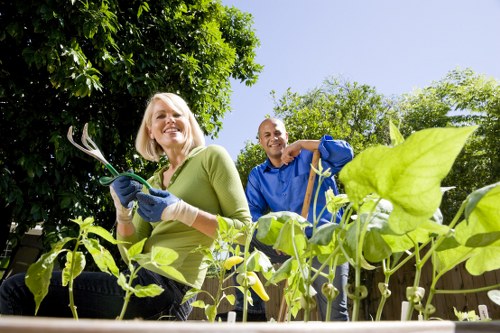
In London gardens, planting often has to work harder than it would in a more open setting. Winds, shade, reflected heat, traffic dust, and limited root space can all affect performance. That is why planting for Elephant And Castle should be chosen with care rather than simply based on appearance in a catalogue or showroom.
A thoughtful planting scheme can improve privacy, soften hard materials, and bring seasonal change to even the smallest space. It can also make a garden feel more welcoming without requiring constant maintenance. For many clients, the aim is not to create a high-maintenance display garden, but rather a robust and attractive planting structure that looks good across the year.
Common planting approaches may include:
- evergreen structure for all-year form and privacy
- shade-tolerant planting for enclosed or north-facing spaces
- drought-tolerant species for sunny terraces and exposed areas
- pollinator-friendly plants for added biodiversity
- container planting where ground space is limited
- climbers and vertical planting for fences, walls, and screens
Soft landscaping can also include turfing, mulch, soil improvement, and the finishing touches that help a design feel complete. If you want a garden that is easier to manage, the planting plan can be designed around lower maintenance. If you want a greener, more immersive feel, the planting palette can be layered for depth, texture, and seasonal interest.
The best planting is not necessarily the most elaborate; it is the planting that thrives in your conditions and suits your daily routine.
What to expect during the process
Many customers want to know how a garden design and build project actually unfolds. While every site is different, a clear process helps everyone know what happens next and keeps the project moving smoothly. For local customers in Elephant And Castle, the process is often shaped by access, timing, and the need to keep the site tidy and manageable.
Typical stages may include:
- Initial discussion about your ideas, priorities, and the problems with the current space.
- Site visit or survey to assess layout, access, light, drainage, and existing features.
- Design development to create a practical layout and agree on materials and finishes.
- Preparation and scheduling so work is planned around access, deliveries, and any neighbour considerations.
- Construction and installation of hard landscaping, structures, planting, and finishing details.
- Final checks and handover to make sure the space is ready to use and you understand how to care for it.
This structured approach is especially helpful when the outdoor space has to be completed in stages or when there are multiple elements to coordinate. It also gives you a clearer sense of how the budget is being used and where the key decisions are being made. If you are planning a project and want a straightforward path from idea to finished garden, book your service now and start the conversation early.
Preparation checklist for homeowners and businesses
Before work begins, a little preparation can make the project smoother. You do not need to do everything yourself, but having a few things in mind helps the team work efficiently and reduces avoidable delays.
Useful preparation steps include:
- Clearing personal items, pots, furniture, and movable decorations from the work area
- Thinking about how you want to use the space: dining, relaxing, children’s play, planting, or entertaining
- Noting any existing issues such as poor drainage, loose paving, or awkward steps
- Identifying what you want to keep, reuse, or remove
- Checking whether there are any access restrictions for courtyards, shared entrances, or upper-level outdoor spaces
- Considering neighbour impact if equipment or materials need to pass through common areas
- Deciding whether low-maintenance or more abundant planting is the better fit
For commercial customers, preparation may also involve coordinating timings around opening hours, staff access, or visitor traffic. A local team with experience in tight urban settings can often work in a way that minimises disruption and keeps the site functional where possible.
What helps you get the best outcome?
It helps to be clear about what matters most to you. Some customers care most about privacy. Others want a stylish entertaining space. Some are mainly looking for practical improvements such as better drainage, safer steps, or an easier-to-maintain layout. The clearer your priorities, the easier it is to design a garden that feels like a real improvement rather than a cosmetic change.
Simple decisions made early often save time later. Even if you are not sure about every detail, having a sense of budget range, preferred style, and how much upkeep you are comfortable with will help shape a better result.
Pricing factors for garden design and build
Customers often ask what affects the cost of garden design and build in Elephant And Castle. While exact pricing depends on the specifics of the site and the brief, there are several common factors that influence the overall project.
These include:
- Size of the space and how much area needs redesigning
- Condition of the existing garden and how much removal or preparation is needed
- Access limitations for materials, tools, and waste removal
- Choice of materials for paving, timber, edging, and planting features
- Complexity of the design, including levels, curves, built-in features, or bespoke elements
- Drainage requirements and any necessary groundwork
- Planting density and specification
- Additional features such as lighting, irrigation, screening, seating, or storage
Because many properties in Elephant And Castle have restricted access or unusual layouts, a site visit is often the best way to understand the scope properly. That allows the service to be shaped around real conditions rather than rough assumptions. It also helps you decide where to invest for the biggest impact. For example, it may be worth prioritising paving and drainage in one garden, while another may benefit more from screening and planting.
Clear planning before work starts usually leads to a more efficient project and a better-finished result.
Why choose a local company for your garden project?
Choosing a local team for garden design and build in Elephant And Castle offers several practical advantages. First, local teams tend to understand the pace, access constraints, and property mix in the area. That means they are more likely to anticipate issues before they become problems. Second, they are better placed to recommend designs that suit typical urban conditions such as limited sunlight, overlooked boundaries, and smaller footprints.
There is also a real benefit in working with a company that knows how to coordinate deliveries, labour, and waste removal in central London. In busy neighbourhoods, this kind of planning matters. It can make the difference between a project that feels controlled and one that feels chaotic. For residential customers, that means less stress. For commercial customers, it means less interruption to normal use of the property.
A local service is also easier to brief on the kind of look you want for your garden. Whether you want a modern, minimalist feel, a softer planted space, or something family-friendly and practical, a team familiar with local homes and commercial premises is more likely to suggest sensible solutions. If you want a finished garden that feels right for the area as well as for your property, a local approach is often the strongest choice.
Residential and commercial use cases
In residential settings, clients often ask for more privacy, better seating areas, safe pathways, low-maintenance planting, and a space that feels more connected to the home. In commercial settings, priorities may include appearance, durability, accessibility, and easy upkeep. The best design-and-build service should be able to adapt to both.
That flexibility is especially valuable in Elephant And Castle, where the same street can include homes, offices, hospitality venues, and mixed-use buildings. An effective outdoor solution needs to reflect the everyday demands of the property, not simply follow a generic style trend.
Areas covered around Elephant And Castle
Garden design and build work in Elephant And Castle often extends to nearby parts of central and south London where properties share similar access and layout challenges. Depending on the project, local work may also cover surrounding neighbourhoods and adjacent residential or commercial districts.
Common nearby areas may include:
- Walworth
- Kennington
- Borough
- Lambeth
- Southwark
- Waterloo
- London Bridge
- Camberwell
If you are just outside the immediate area, it is still worth asking whether the project can be taken on. Local teams often work across a wider part of central London, especially where the site conditions and access requirements are similar.
Request a free quote if you are planning a new garden, refreshing an existing one, or improving a small outdoor space that is not currently being used well.
Frequently asked questions
Can a small garden still make a big difference?
Yes. In fact, some of the most effective garden transformations happen in smaller spaces because every decision matters. Careful layout, smart planting, and the right materials can make a compact courtyard or terrace feel much more generous and practical.
Do I need a full redesign, or can you improve part of the garden?
You do not always need a complete overhaul. Some customers only want new paving, better planting, improved screening, or a more functional seating area. A good garden design and build service can be tailored to a partial update or a full transformation.
How important is drainage in an urban garden?
It is very important, especially where surfaces are close to walls or where the existing garden already has standing water issues. Drainage should be considered from the beginning, not as an afterthought. This is one reason design and build work together so well.
Will the work be disruptive?
Any garden project will involve some disruption, but a well-planned local team should manage access, deliveries, and working hours carefully. In Elephant And Castle, where properties can be close together and access may be limited, efficient planning is particularly useful.
What if I do not know what style I want?
That is very common. You do not need to arrive with a fully formed plan. It is usually enough to explain how you want to use the space, what you dislike about it now, and whether you prefer a modern, natural, tidy, or low-maintenance finish. The design can then be shaped around those preferences.
Can you work on commercial outdoor spaces too?
Yes. Garden design and build services can be adapted for commercial properties, hospitality spaces, communal areas, and other non-residential settings where outdoor presentation and practicality both matter.
How do I know whether to choose paving, decking, or planting?
That depends on the size of the area, how you plan to use it, and the conditions on site. Many gardens benefit from a mix of hard and soft landscaping rather than one material everywhere. A balanced layout often gives the most flexibility.
Bring your outdoor space to life
If your garden in Elephant And Castle is underused, outdated, or difficult to maintain, now is a good time to think about what it could become. A thoughtful garden design and build in Elephant And Castle service can turn a challenging site into a space that feels practical, welcoming, and suited to the way you actually live. Whether you want a neat courtyard, a family-friendly back garden, a more private terrace, or a polished outdoor area for customers or staff, the right plan can make a real difference.
What matters most is creating something that works locally: something that fits the property, handles the practical realities of central London, and feels like a genuine improvement from day one. With the right mix of design, construction, planting, and finishing details, an outdoor space can become one of the most useful parts of your home or business.
Contact us today to discuss your ideas, arrange a site visit, or book your service now if you are ready to move forward with your garden project in Elephant And Castle.