Garden landscaping in Elephant And Castle
If you are looking for garden landscaping in Elephant And Castle, you are probably trying to make the most of an outdoor space that has to work hard. In this part of London, gardens are often compact, overlooked, paved, shaded, split across levels, or shared between homes and businesses. That does not mean they cannot become attractive, practical, and easy to maintain. With the right planning and a local approach, even a small courtyard or narrow rear garden can feel calmer, greener, and more useful.
We provide garden landscaping solutions that suit the realities of living and working in Elephant and Castle and the surrounding streets. That can mean transforming a tired back garden into a usable family space, improving access for a commercial property, adding planting that softens hard edges, or creating a low-maintenance layout that still looks cared for all year. The goal is simple: create a landscape that fits the space, the property, and the people using it.
Because Elephant And Castle is a busy, densely built area, local knowledge matters. Access can be tight, parking can be limited, and many properties sit in terraces, apartment blocks, mixed-use developments, or refurbished housing. A local team understands how to plan around those conditions, move materials efficiently, and design with the site’s real limitations in mind. That makes the process smoother and often more practical from the start.
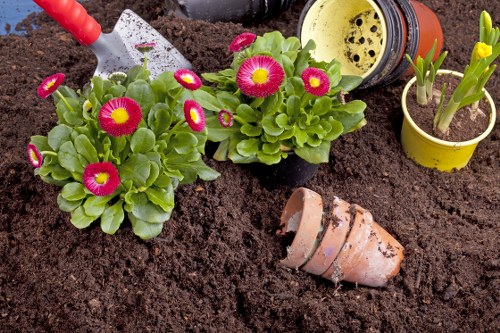
Local garden landscaping built around real Elephant and Castle properties
Every site in Elephant and Castle has its own character. Some gardens are tiny but sunny for part of the day. Others are narrow and shaded by tall neighbouring buildings. Some residents want a safer, more child-friendly outdoor area, while others want a stylish place to entertain, grow herbs, or simply enjoy a bit of privacy after a long day. Our approach to Elephant And Castle garden landscaping begins with those everyday needs rather than forcing a one-size-fits-all design.
We work across a wide range of property types, including flats with private terraces, maisonettes, townhouses, converted buildings, estate gardens, and commercial outdoor spaces. Many local customers want landscaping that suits modern life: clean lines, durable materials, straightforward maintenance, and planting that still looks good with limited sun. Others prefer a softer, more natural look with structure, texture, and seasonal interest. Either way, the design should feel connected to the property and to how the space will actually be used.
Good landscaping is not only about appearance. It also improves how a garden functions. Better drainage can reduce puddling after heavy rain. Thoughtful planting can provide privacy from neighbouring windows. Smart layouts can make a small space feel wider. Practical surfaces can make the garden easier to enjoy in wet weather. For many local clients, those details are just as important as style.
Why local experience makes a difference
A team familiar with the area can plan with local conditions in mind from day one. In Elephant and Castle, that often means accounting for restricted loading bays, shared access, basement or raised garden levels, and the logistics of working near busier roads and residential entrances. It also means knowing how to design around urban light levels, noise, and privacy concerns common in central London outdoor spaces.
Local landscaping support can be especially helpful when the project needs to be delivered with minimal disruption. That includes coordinating material deliveries, protecting communal routes, and choosing construction methods that suit the site. When access is difficult, organisation matters as much as design.
For customers, this usually translates into a smoother experience and a better-finished garden. The design may be elegant, but it also needs to be workable. That is where practical planning, careful measurements, and an understanding of local property layouts really pay off.
What garden landscaping services can include
Garden landscaping can cover a wide range of improvements, from a simple refresh to a full redesign. For many Elephant and Castle customers, the best solution is a balanced mix of hard landscaping, planting, and finishing details that make the outdoor space more usable without overcomplicating maintenance.
Typical services may include:
- Garden layout redesign to improve flow, function, and visual balance
- Patios, paving, and seating areas for dining or relaxing
- Raised beds and planters to add depth and structure
- Fencing, screens, and boundary treatments for privacy
- Turfing or artificial grass for a cleaner, easier surface
- Planting schemes suited to shade, sun, containers, or narrow borders
- Decking or composite features for level changes and stylish seating zones
- Gravel, bark, and decorative aggregates for low-maintenance finishes
- Drainage improvements to deal with water build-up
- Garden clearance and preparation before new work begins
Not every garden needs all of the above. In fact, one of the most useful parts of a landscaping project is deciding what not to add. A small outdoor space in Elephant and Castle can become cluttered very quickly if too many materials or features are introduced. The right plan keeps the garden open, practical, and visually calm.
For commercial customers, such as offices, managed buildings, hospitality spaces, or retail frontage areas, landscaping may focus more on durability, easy upkeep, and presentation. A neat planted area, robust edging, or a tidy seating space can improve the welcome for visitors and tenants without creating unnecessary maintenance demands.
Residential and commercial landscaping needs
Residential clients often want a private garden that feels like an extension of the home. That may mean child-friendly lawns, pet-safe layouts, or a place to grow plants and enjoy time outside. Commercial customers usually need something more resilient and low fuss, with materials and planting choices that stay presentable through regular use.
In both cases, the best results come from matching the design to the people using it. A stylish patio is only useful if it drains well. A beautiful planting scheme only works if it suits the light levels and the amount of care the customer can realistically provide. That practical approach is central to successful garden landscaping in Elephant And Castle.

How the service works
Most customers want a clear process, especially when they are dealing with a space that already feels cramped or awkward. A straightforward service structure helps avoid confusion and gives you confidence about what happens next.
1. Initial discussion and site understanding
We begin by understanding what you want to change and how you plan to use the garden. That might include family use, entertaining, planting, creating storage, improving privacy, or simply making the space easier to maintain. We also look at the site conditions, such as access, slopes, shade, existing surfaces, and any shared boundaries.
2. Planning the layout
Once the main goals are clear, the layout can be shaped around them. For smaller Elephant and Castle gardens, this stage is crucial. A thoughtful arrangement can separate areas for seating, planting, and movement without making the space feel busy. In larger gardens, it may be about defining zones so the garden works for more than one purpose.
3. Selecting materials and planting
Material choice affects both style and maintenance. Paving, edging, fencing, timber, gravel, and planting all need to suit the site conditions and the intended use. Some gardens need a strong architectural feel. Others benefit from softer textures and more greenery. The right selection should complement the property rather than compete with it.
4. Preparation and installation
Before new features go in, the site may need clearance, leveling, improved edging, or drainage work. Installation is then carried out in an organised way so each element fits the plan. For local customers, careful site management matters because access and storage space are often limited.
5. Finishing and handover
The final step is about the details: clean edges, tidy joints, healthy planting positions, and a result that feels complete. Once the work is finished, you should have a garden that is both attractive and practical, with clear ideas on how to care for it over time.
If you are considering a fresh start for your outdoor space, request a free quote and talk through the kind of garden you want to create. Even a short conversation can help you understand what is possible within the space you have.
What makes a well-designed urban garden?
A good urban garden often relies on restraint, proportion, and a clear purpose. In places like Elephant and Castle, where plots can be compact and surrounded by tall buildings, the most effective designs usually focus on a few strong elements rather than too many small features. That may include one main seating area, one focal planting zone, and one or two clean transitions between surfaces.
Strong design also considers how the garden changes through the year. Evergreens, structured planting, and hard landscaping elements can keep the space looking good in winter, while seasonal planting can bring movement and colour in warmer months. The aim is to create a garden that feels alive but not demanding.

Garden landscaping ideas suited to Elephant and Castle
There is no single best style for every garden in the area. However, certain approaches often work especially well in Elephant and Castle because they balance visual appeal with practical performance.
Low-maintenance modern layouts
Many homeowners and landlords prefer a clean, modern look with straightforward upkeep. This may involve large-format paving, raised planters, structured evergreen planting, and simple lighting points. It is a strong choice for properties where time for garden care is limited but the outdoor space still needs to look neat.
Courtyard and terrace transformations
Courtyard spaces and terraces often need a clever design to avoid feeling boxed in. Vertical planting, lighter surface colours, slimline furniture zones, and mirrored or reflective planting layouts can help create a more open feel. Even small changes can make a significant difference to how the space is experienced.
Family-friendly gardens
For families, the priority is often durability and safety. Smooth surfaces, easy-to-clean materials, secure boundaries, and open sightlines can all help. A small lawn or soft play area can be balanced with planting and seating so the garden remains useful for both adults and children.
Plant-focused designs
Some customers want the garden to feel lush and green, with layered planting and seasonal interest. In more shaded or enclosed Elephant and Castle gardens, the planting choice should reflect local conditions. Shade-loving plants, climbers, pots, and containers can add life where traditional borders may struggle.
Landscape design is not only about creating a pretty result. It is about deciding how the space should feel and function every day. Whether you want calm, sociable, private, or playful, the layout should support that feeling naturally.
For many customers, the biggest benefit of working with a local team is receiving a plan that respects the reality of the site. There is little value in a design that looks good on paper but fails in a narrow, awkward, or heavily shaded garden. A good local landscaper designs for the space in front of them.
Helpful feature choices for compact gardens
When space is tight, a few thoughtful choices often deliver the biggest improvement:
- Use built-in or raised seating to save floor space
- Choose one or two surface materials rather than several competing finishes
- Keep planting layered but controlled
- Plan storage discreetly so tools and bins do not dominate the view
- Use boundaries and screening to improve privacy without closing the garden in

What is included in a typical landscaping project
Every project is different, but customers usually want to know what they can expect from start to finish. A well-organised Elephant And Castle garden landscaping service often includes several stages of work, depending on the condition of the site and the design goals.
- Assessment of the existing space and practical constraints
- Removal of old features, waste, or unwanted growth where needed
- Ground preparation, levelling, or shaping
- Installation of hard landscaping such as paving, edging, or timber features
- Placement of planting, turf, or decorative finishes
- Attention to drainage, access points, and transitions between zones
- Final clean-up so the garden is ready to use
Some customers come to us with a very clear idea of what they want. Others know the space is not working but need help deciding how to fix it. Both approaches are fine. A practical landscaping service should be able to start from a blank sheet of paper or refine an existing idea into something more suitable.
It is also helpful to think about maintenance from the beginning. A garden that looks impressive on completion should still be manageable six months later. If you want the space to stay neat with minimal effort, that should influence plant choice, edging, surface types, and the amount of lawn or open border area included in the design.
Pricing factors that may affect a quote
Exact prices vary because every garden is different. Rather than fixed figures, it is better to understand the main factors that can influence the cost of landscaping work:
- Size and condition of the garden – larger or heavily overgrown spaces take more preparation.
- Access – tight entrances, steps, shared hallways, and restricted parking can affect logistics.
- Materials chosen – natural stone, timber, composite products, and premium planting can all vary in cost.
- Drainage or groundwork needs – if the site needs leveling or water management, this can add time and labour.
- Complexity of the design – curved edges, multiple zones, and custom features usually require more work than simple layouts.
- Planting scope – the number, maturity, and type of plants chosen will affect the overall scope.
When you contact us today for a quote, sharing photos, measurements, and a short description of your goals can help the process move faster. Even if the garden is small, a few details about access and what you want the space to do can be very useful.
Why choose a local company for garden landscaping?
Choosing a local company for garden landscaping in Elephant and Castle has several practical advantages. First, a local team is more likely to understand the type of properties in the area and the typical challenges they bring. Second, travel time and site logistics are often simpler, which can help with planning and coordination. Third, a team that regularly works in nearby neighbourhoods is usually better placed to suggest solutions that suit London living.
Local service is especially valuable when the job requires flexibility. Some gardens need materials carried through narrow routes. Others need work scheduled around residents, tenants, or business hours. A nearby team is usually better prepared for those details and can adapt without turning the project into a disruption.
Areas commonly covered around Elephant and Castle may include nearby parts of Southwark and central south London, along with surrounding neighbourhoods such as Walworth, Kennington, Lambeth, Borough, Camberwell, and Bermondsey. If you are just outside the immediate area, it is still worth asking whether your property can be included.
Common customer questions answered
Many people delay landscaping because they are unsure where to start. These are some of the questions we hear most often from local customers.
Can a small garden really be improved?
Yes. Small gardens often benefit the most from professional landscaping because every metre has to be used carefully. Even modest changes to layout, surfaces, and planting can make a space feel bigger, more practical, and more private.
Do I need a full redesign?
Not always. Sometimes a garden only needs targeted improvements such as new edging, better planting, fresh paving, or a more practical seating area. A full redesign is only necessary when the existing layout no longer works.
What if access is difficult?
Access challenges are common in Elephant and Castle, especially in flats, terraces, and managed developments. That is not unusual. It simply means the project needs to be planned carefully, with material delivery, removal, and work stages organised around the site.
Can you help with low-maintenance ideas?
Absolutely. Many clients want a garden that looks smart without requiring constant attention. In those cases, the design can focus on durable surfaces, controlled planting, and easy-care features that suit a busy lifestyle.
Is landscaping suitable for rental or commercial properties?
Yes. In fact, these properties often benefit greatly from smart landscaping because presentation and practicality matter so much. A neat outdoor area can improve first impressions and make the space more pleasant for occupiers and visitors.
Preparation checklist before work begins
If you are planning to book a landscaping project, a little preparation can help everything go more smoothly. You do not need to do everything yourself, but the following checklist may be useful:
- Think about how you want to use the garden most often
- Identify what you like and dislike about the current layout
- Take a few photos of the space in its current condition
- Check whether access routes are shared or limited
- Decide if you want more planting, more seating, or easier maintenance
- Consider any privacy concerns, especially from neighbouring windows
- Note any drainage issues, damp areas, or awkward level changes
These simple steps can help shape a more accurate and useful proposal. They also make it easier to compare options and feel confident that the work will fit your needs.
How a good landscaping result should feel
The best garden landscaping does more than improve the look of a space. It changes how you feel when you step outside. The garden should feel easier to use, easier to maintain, and more connected to the property. In a built-up part of London such as Elephant and Castle, that can make a noticeable difference to everyday life.
You may want a quiet place for coffee in the morning, a safer area for children, a tidy outdoor setting for tenants or customers, or simply a garden that no longer feels neglected. Whatever the priority, the design should support real use rather than just visual appeal.
That is why the most effective projects often balance structure and softness. Paving and edging create order. Planting brings life. Boundaries improve privacy. Good proportions keep the garden comfortable. Together, those elements create a space that feels intentional and welcoming.
Book your service now if you are ready to move forward with a practical, attractive outdoor space in Elephant and Castle. Whether your garden needs a fresh layout, more planting, or a complete transformation, a local landscaping team can help bring the plan to life in a way that suits the property and the area.
Final thoughts for Elephant and Castle property owners
Garden landscaping in this part of London is about more than decoration. It is about making outdoor space useful, enjoyable, and suited to urban living. From compact private gardens to shared and commercial spaces, the right improvements can make a real difference to how the property is experienced every day.
If you are comparing options, look for a service that understands access issues, local property types, low-maintenance planting, and the practical demands of London sites. That combination is especially important in Elephant and Castle, where gardens often need to work harder than they first appear to.
Whether you want a simple refresh or a full redesign, now is a good time to plan the outdoor space you actually want to use. Contact us today to discuss your ideas, request a free quote, and take the first step toward a garden that feels more useful, more attractive, and better suited to your property.