Turf Laying in Elephant And Castle
If you are looking for turf laying in Elephant And Castle, you probably want a lawn that looks smart quickly, fits the way you use your outdoor space, and stands up to the realities of local living. Whether you have a compact courtyard, a family garden, a shared communal area, or a front space that needs a fresh, tidy finish, new turf can transform a tired patch of ground into a usable, attractive lawn in a surprisingly short time.
Elephant and Castle is a busy, well-connected part of South London, with a mix of modern apartment developments, older terraces, mews properties, managed estates, commercial entrances, and pocket-sized gardens. That variety matters, because no two lawns here are quite the same. A good turf installation needs to take account of access, shading, drainage, foot traffic, soil condition, and how the space is actually used day to day.
That is why local knowledge makes a real difference. When turf is laid properly, it gives you an even surface, better kerb appeal, and a practical green area that can be enjoyed for relaxing, playing, entertaining, or simply improving the look of your property. Book your service now if you want to get the process started and discuss what is right for your site.
Fresh lawns for homes and businesses across Elephant and Castle
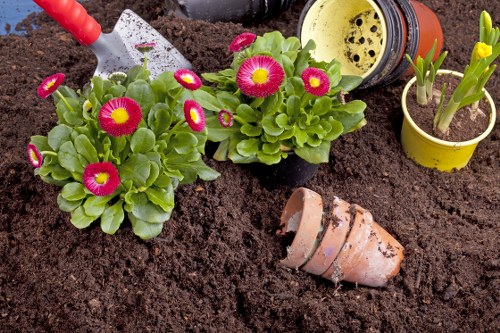
Turf laying in Elephant And Castle is often requested by customers who want a fast, effective way to improve an outdoor space without waiting months for seed to establish. Turf gives an immediate visual result and, once rooted, can provide a durable surface that feels far more welcoming than bare soil, patchy grass, or worn-out ground.
In residential settings, turf can help create a better family garden, a safer play area for children, or a smarter setting for patios, bins, planters, and seating. In commercial settings, it can improve entrances, courtyards, staff breaks areas, and landscaped spaces around offices, retail units, hospitality venues, or managed properties. The right lawn finish can change how a space is used as well as how it looks.
Local customers often ask for turf because they need a solution that works around existing surfaces, limited storage space, and restricted access. Elephant and Castle properties can include upper-floor terraces, internal courtyards, basement lightwells, and compact rear gardens. These settings require careful planning, sensible material handling, and a neat installation process from start to finish.
Why turf works well in this part of South London
There are several reasons turf is so popular locally. It offers an instant finish, helps soften hard landscaping, and can make small spaces feel greener and more usable. It also suits projects where the outdoor area needs to be ready for use without a long establishment period. For many property owners, the appeal is not just appearance; it is convenience, function, and value for the space.
Because Elephant and Castle is such a dense and varied area, many lawns are shaped by surrounding buildings, fences, paving, and shared access routes. A turfing project here needs to be practical as well as attractive. This means thinking about drainage, sun and shade, soil quality, and the likely level of use once the lawn is in place.
What is included in a professional turf laying service?

A proper turfing job is much more than rolling out grass. The quality of the finished lawn depends on what happens before the turf arrives, how the ground is prepared, and how the surface is finished. If those steps are rushed, the lawn may look fine at first but fail to establish properly.
Typical turf laying work may include stripping away old grass, weeds, and poor surface material; checking levels; improving soil structure; adding topsoil where needed; and preparing a firm, even base. The turf is then laid carefully, joints staggered, and the surface rolled or pressed to help good contact with the ground below.
After laying, the area should be watered correctly and left to establish with careful early aftercare. Good workmanship focuses on the whole process, not just the visible final layer. That is especially important in built-up areas where access, timing, and tidy site management matter to neighbours, building managers, and property users.
Common inclusions customers can expect
- Site assessment and discussion of the lawn’s intended use
- Removal of old turf, weeds, rubble, or unsuitable surface material
- Levelling and shaping to improve appearance and drainage
- Soil improvement or topsoil installation where required
- Delivery and laying of quality turf suited to the setting
- Cutting in around edges, paths, and hard landscaping
- Light rolling or pressing to improve root contact
- Aftercare advice for watering, mowing, and early use
Every project is different, so the exact scope should reflect the condition of the ground and your expectations for how the lawn will be used. A small decorative courtyard needs a different approach from a communal garden or a high-traffic commercial frontage.
How turf laying in Elephant And Castle works
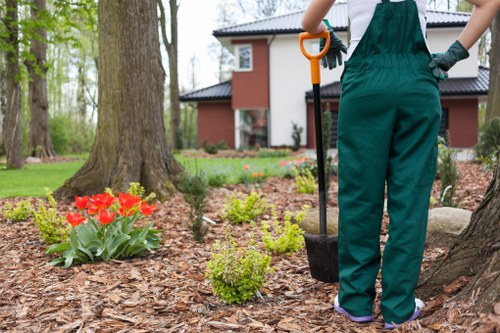
Most customers want to know what the process looks like before they commit. In simple terms, turf laying in Elephant And Castle usually follows a clear sequence: assess the area, prepare the soil, lay the turf, finish the edges, water it properly, and explain the early care steps. A straightforward process helps reduce disruption and ensures the lawn has the best possible start.
The first stage is usually a site visit or a detailed conversation about the area. This is the time to look at access, width of entrances, where materials can be brought in, whether there are steps or narrow side passages, and what existing features need to be retained. In Elephant and Castle, access planning can be just as important as the turf itself.
Then the ground is prepared. This may involve clearing debris, removing dead vegetation, loosening compacted soil, and improving the surface so it is level and supportive. If a lawn is being installed over poor-quality ground, the preparation stage may take longer than the laying stage, but it is also the stage that protects your investment.
Stage-by-stage overview
- Initial assessment - measure the space, review access, and discuss use
- Ground clearance - remove old grass, weeds, and unwanted material
- Surface preparation - shape, level, and improve the soil base
- Turf installation - lay rolls tightly and neatly with staggered joints
- Finishing - trim edges and check for even contact with the base
- Watering and aftercare - explain what to do in the first days and weeks
Why preparation matters so much
Healthy turf needs healthy foundations. If the soil is compacted, uneven, or full of rubble, the lawn may not root evenly and could develop dips, dry areas, or poor colour. Taking time at the beginning often saves time, money, and frustration later.
For properties in and around Elephant and Castle, it is also useful to prepare the site in a way that keeps common areas tidy and reduces disturbance to neighbours. This might include clear scheduling, careful material handling, and sensible waste removal arrangements.
Where turf laying is commonly needed locally

Elephant and Castle includes a wide range of property types, and each one creates slightly different turfing needs. Some customers are restoring a small private garden. Others are upgrading a shared outdoor space or improving the frontage of a business premises. The good news is that turf can be adapted to many kinds of setting if the base and layout are planned properly.
In residential areas, turf is often installed in rear gardens, front gardens, roof terraces with suitable build-ups, and compact courtyards where a natural finish is preferred over artificial alternatives. In managed blocks and estates, turf may be laid in communal areas that need a refreshed, consistent look. Commercial customers may use turf to make entrances, smoking areas, or outdoor break spaces feel more welcoming.
The main thing is to match the lawn to the site. Some areas are shaded by tall buildings and need turf that can tolerate less sunlight. Others receive a lot of wear and benefit from preparation that improves resilience. A local team familiar with the area will naturally consider these details before recommending a solution.
Nearby areas and property settings we commonly work with
- Elephant and Castle town centre and surrounding residential streets
- Walworth and nearby neighbourhoods
- Borough-side properties with courtyards and compact gardens
- Kennington and mixed residential-commercial settings
- Southwark locations with managed outdoor spaces
- Shared access properties and apartment developments
- Small business forecourts and landscaped entrance areas
Local access conditions can affect how materials are brought into a property, how quickly work can be completed, and how much preparation is needed beforehand. That is one reason customers often prefer an experienced local service rather than a one-size-fits-all approach.
Why choose a local company for lawn turfing?
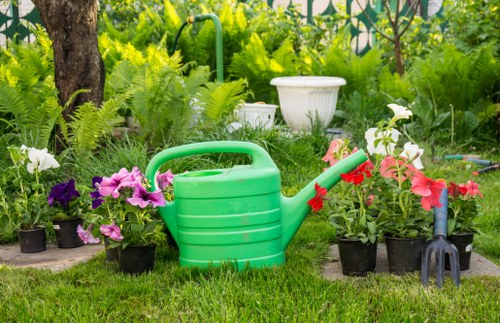
Choosing a local team for turf laying in Elephant And Castle brings practical advantages. A company familiar with the area is more likely to understand parking limitations, traffic patterns, shared entrances, time restrictions, and the realities of moving materials through narrow or busy spaces. That can make the whole job smoother and less stressful.
Local experience also helps when assessing typical property layouts. Some gardens in the area have awkward levels, little side access, or a mixture of paving and planting beds that need careful treatment. A team used to working in dense urban settings can plan around these issues and help you avoid unnecessary disruption.
There is also the benefit of accountability and responsiveness. If extra preparation becomes necessary, or if conditions on site differ from what was expected, a local service is usually better placed to adapt. That flexibility matters when you are trying to complete a project neatly and efficiently.
What customers often value most
- Clear communication before work begins
- Realistic planning for access and material handling
- Careful attention to site conditions and drainage
- Tidy working practices in shared or busy locations
- Advice on turf type, aftercare, and lawn use
- A lawn finish that looks right for the property, not just the brochure
Trust is built through practical service - arriving prepared, working neatly, and leaving the lawn in a condition that is ready to establish properly. That is what most local customers want when they book this kind of work.
Types of turf and lawn finishes to consider
Not every lawn needs the same kind of turf. The best choice depends on how the area will be used, how much sun it gets, whether children or pets will use it often, and how much maintenance the owner is comfortable with. A proper turfing project should always start with those questions.
For decorative gardens, customers may prefer a fine, attractive finish that complements planting beds, patios, or seating spaces. For family lawns, it may be more important to choose a practical grass type that can recover well from regular use. Commercial outdoor areas may need a finish that looks smart and is easier to maintain within a busy environment.
Before choosing turf, it is sensible to discuss shade, drainage, and expected wear. In built-up parts of Elephant and Castle, tall buildings can reduce sunlight, so selecting a suitable turf and preparing the base properly can make a meaningful difference to long-term success.
Helpful questions to ask before choosing turf
- Will the lawn be mainly decorative or used regularly?
- How much sunlight does the area receive during the day?
- Is the soil compacted, damp, or uneven?
- Will children, pets, or visitors be using the lawn often?
- Are there drainage concerns after heavy rain?
- Does the area need to match existing landscaping?
Preparation checklist for customers
There are a few simple things customers can do before turf laying begins. Good preparation helps the project start smoothly and can reduce delays, especially where access is tight or the area is shared.
It is usually helpful to clear movable items such as plant pots, outdoor furniture, toys, and storage items from the work zone. If there are locked gates, communal entry arrangements, or building management requirements, it is best to make sure access is confirmed in advance. In some properties, residents may also want to notify neighbours where work could temporarily affect shared spaces.
If you are unsure what needs to be done, ask for practical advice before the installation date. A local turfing team can often tell you what should stay, what should be moved, and whether the site needs any special preparation ahead of time.
Simple preparation list
- Remove furniture, ornaments, and loose outdoor items
- Make access routes as clear as possible
- Check whether parking or loading arrangements are needed
- Let building managers or neighbours know if necessary
- Keep pets and children away from the work area on the day
- Discuss any known drainage or shading problems in advance
Good preparation helps the work proceed efficiently and makes it easier for the new turf to settle in properly once installed.
Pricing factors for turf laying projects
Customers often ask what affects the cost of a turf project. While exact prices depend on the specific site, there are common factors that influence the overall quotation. Understanding these helps you compare options sensibly and choose a service that reflects the actual work involved.
The size of the area is the most obvious factor, but it is not the only one. Ground preparation can vary significantly depending on whether the site is already level, whether old turf needs to be removed, and whether extra topsoil is needed. Access can also affect labour time, particularly in apartment buildings or properties with narrow entrances.
Other influences may include turf type, edging work, waste disposal, drainage improvements, and any extra time needed to work around steps, walls, planters, or hard landscaping. A careful quote should reflect the true scope of the job rather than offering a quick estimate that does not account for site complexity.
Factors that may affect your quote
- Overall lawn size and shape
- Condition of the existing ground
- Removal of old turf or vegetation
- Need for soil improvement or levelling
- Accessibility and delivery restrictions
- Type of turf selected
- Extra finishing around borders and edges
Request a free quote to get a clearer understanding of what your project involves. That is usually the best way to move forward with confidence, especially if your site has unusual access or preparation requirements.
Aftercare: helping your new lawn establish
New turf needs the right care in its first days and weeks. Even a well-prepared lawn still needs moisture, protection from heavy use, and a little patience while roots settle into the base. The establishment period is when the future quality of the lawn is being built.
Watering is especially important. In warm or breezy weather, fresh turf can dry out quickly, so it should be watered thoroughly and consistently as advised. It is also wise to avoid walking on the lawn too soon, because pressure can disturb the root contact needed for healthy growth.
Once the turf begins to establish, mowing can be introduced carefully at the right time and at the right height. Early care should always be tailored to the conditions on your site, because shaded urban gardens and sunny open plots can dry or settle at different speeds.
Early aftercare reminders
- Water regularly during establishment
- Avoid heavy foot traffic at first
- Check edges and corners for drying out
- Wait until the turf has rooted before mowing
- Follow the practical advice given for your specific site
Patience at the beginning pays off later. A lawn that roots well is more likely to stay even, healthy, and attractive over time.
Common questions about turf laying in Elephant And Castle
How long does turf take to settle?
That depends on weather, soil conditions, and how well the ground was prepared. In general, new turf starts to establish relatively quickly if it is watered correctly and not disturbed too much.
Can turf be laid in small or awkward spaces?
Yes. Many Elephant and Castle properties have compact or unusual outdoor areas, including courtyards, narrow side spaces, and rooftop or terrace settings. Turf can often be cut and fitted neatly, provided the access and base preparation are suitable.
Is turf better than seeding?
For many local customers, turf is preferred because it provides an instant finish and a quicker usable surface. Seed can work well in the right conditions, but it usually takes longer to establish and may be less practical where immediate results are important.
Can you turf over an old lawn?
Sometimes the old lawn has to be removed first. If the existing grass is uneven, damaged, diseased, or full of weeds, replacement and proper ground preparation are usually the better option. The condition of the current surface should always be assessed before work begins.
What if my garden has poor drainage?
Drainage issues need to be addressed before or during preparation. Turf laid on a soggy or compacted base is unlikely to perform well. A local assessment can help identify whether levelling, soil improvement, or other corrective work is needed.
Do you work on commercial and managed properties?
Yes, turfing is often relevant for businesses, estates, and managed outdoor areas as well as private gardens. The key is planning around access, timing, and the expected level of use after installation.
Why turfing is a smart investment for local properties
New turf does more than make a space look greener. It can improve the overall feel of a property, make outdoor space more inviting, and create a better first impression for visitors, residents, customers, or staff. In an area as active and mixed as Elephant and Castle, that can be especially valuable.
A well-installed lawn can help tie together paving, planting, boundaries, and seating areas. It can soften hard edges and make smaller spaces feel more balanced. For families, it can create a safer, more comfortable area for everyday use. For businesses and managed developments, it can support a more polished and cared-for appearance.
The right turfing job should feel practical, tidy, and tailored to the space. That is what makes the result feel local and lasting, rather than simply decorative.
Areas covered
Services for turf laying in Elephant And Castle can also suit nearby locations where similar property types and access challenges are common. This may include surrounding Southwark and central south London neighbourhoods, along with adjacent residential and commercial streets that share the same urban conditions.
If your property is in a nearby district and you want a fresh lawn with a professional finish, it is worth asking whether the area is covered. A local team can usually advise based on access, project size, and the type of work needed.
Ready to transform your outdoor space?
If your lawn is tired, patchy, or simply not making the most of your outdoor area, new turf may be the right next step. Whether you are improving a private garden, refreshing a communal area, or upgrading a commercial frontage, turf laying in Elephant And Castle can deliver a noticeable change in a short time when it is done properly.
Contact us today to discuss your space, ask about preparation, and arrange a quote. If you are ready to create a cleaner, greener, more usable lawn, request a free quote and move forward with confidence.
Book your service now and take the first step towards a better-looking outdoor area that suits local life in Elephant and Castle.